


 142 / 536

3.2.5 Inspection of radioactive substances
transport
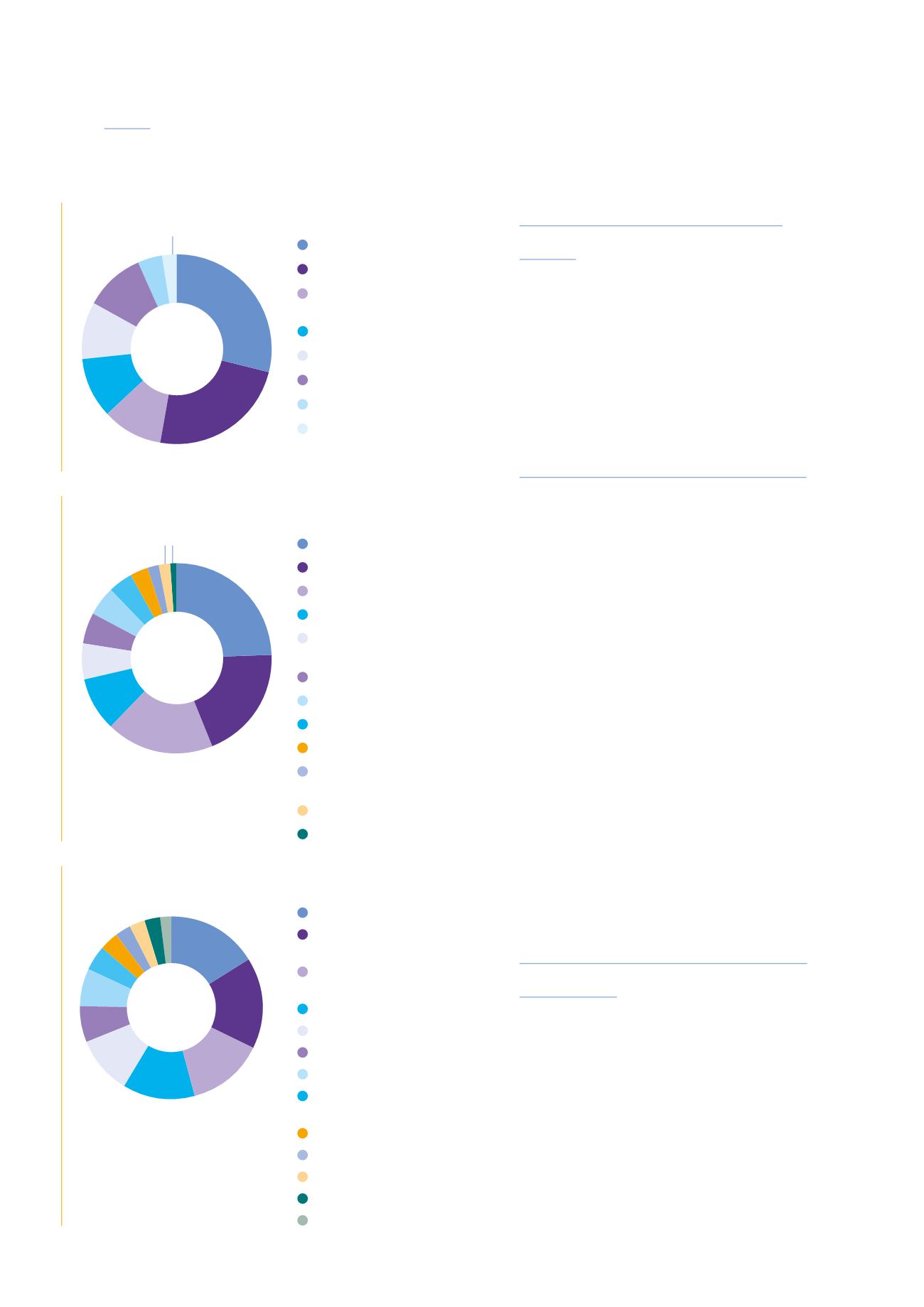
ASN carried out 98 inspections on transport activities,
46%of whichwere unannounced; their breakdown into
topics is illustrated in graph 3.
More than 49% of the inspections were carried out on
the topic of “consignments” in industry, BNIs and the
medical sector. Road carriage on the one hand and the
other modes of transport on the other, account for 19%
and 7% respectively of the inspections performed.
3.2.6 Inspection of small-scale nuclear activities
ASN organises its inspection activity so that it is
proportionate to the radiological issues involved in the
use of ionising radiation, and consistent with the actions
of the other inspection services.
In 2015 ASN carried out 1,003 inspections – one fifth
of which were unannounced – in some of the 50,000
or so nuclear facilities and activities in the sector. These
inspections were more specifically divided among the
medical (54%), industrial or research (41%) and veterinary
(3%) sectors.
Medical or industrial activities entailing a high risk of
human exposure are the most frequently inspected.
Thus, 453 inspections were carried out in radiology and
radiotherapy and 65 in nuclear medicine.
In addition, of the 410 inspections of industrial activities
using ionising radiation, 162 concerned themanufacture,
distribution and utilisation of sealed and unsealed sources
and 103 concerned industrial radiography.
The breakdown of small-scale nuclear sector inspections
according to the various activity categories is described
in graph 4.
3.2.7 Inspection of ASN approved organisations
and laboratories
ASN carries out a second level of inspection on approved
organisations and laboratories. In addition to reviewing the
application file and issuing the approval, this comprises
surveillance such as the following:
•
approval audits (initial or renewal audit);
•
checks to ensure that the organisation and operation
of the entity concerned comply with the applicable
requirements;
•
checks, which are usually unannounced, to ensure that
the organisation’s staff work in satisfactory conditions.
GRAPH 2:
Breakdown of BNI inspections in 2015 by topic
Total 658 inspections
191
156
69
67
63
69
28
15
General inspection and others
Prevention of risks including fire
Radiation Protection
Pressure vessels
Effluent, waste and environmental
monitoring
People and organisations
Nuclear safety
Emergency management
GRAPH 3:
Breakdown of radioactive substances transport inspections in 2015
Total 98 inspections
24
19
18
9
6
5
5
1
4
3 2
2
Others (including safety advisor)
BNI consignments
Industrial consignments including gamma
radiography / gamma densitometry
On-site transport operations (BNI Order)
Fabrication
Road transport
Shipments for medical purposes (including
18
F)
Maintenance
Safety management
Non-approved packages
(manufacturing and safety file)
Rail, air and maritime transport
Tests
GRAPH 4:
Breakdown of small-scale nuclear activity inspections in 2015 per type of activity
Total 1,003 inspections
162
162
136
128
66
45
34 28
28 27
19
65
103
External radiotherapy and brachytherapy
Computed tomography
and conventional radiology
Industrial radiology
Other industrial activities
Nuclear medicine
Manufacture, distribution and use of sealed
and unsealed sources
Interventional radiology
Use of electrical devices emitting ionising
radiation (fixed X-ray generator)
Use of gamma ray densitometers
Use of ionising radiation by veterinary surgeons
Other medical activities
Other small-scale nuclear activities
Dental radiology
142
CHAPTER 04:
REGULATION OF NUCLEAR ACTIVITIES AND EXPOSURE TO IONISING RADIATION
ASN report on the state of nuclear safety and radiation protection in France in 2015