


 173 / 536

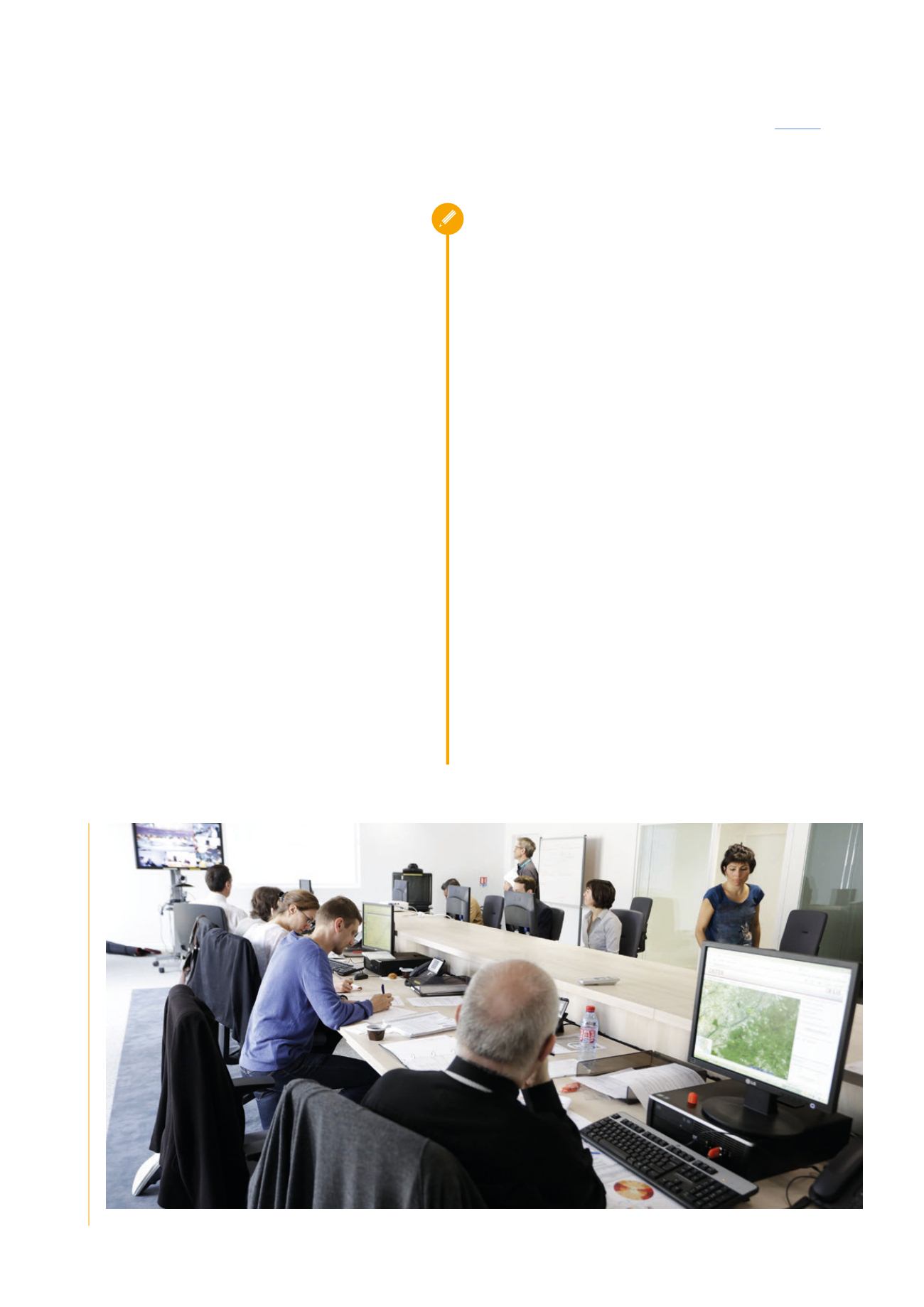
Table 1 shows the positions of the public authorities
(Government, ASNand technical experts) and the licensees
in a radiological emergency situation. These players each
operate in their respective fields of competencewith regard
toassessment, decision-making, actionandcommunication,
forwhichregular audio-conferences areheld. The exchanges
lead to decisions and orientations concerning the safety
of the facility and the protection of the general public.
Similarly, relations between the communicationunits and
the spokespersons of the emergency centres ensure that
the public and media are given coherent information.
Organising a response to any other radiological
emergency situation
A radiological emergency toll-free telephone number
(0 800 804 135) enables ASN to receive calls notifying
incidents involving sources of ionising radiation used
outside BNIs or during the transport of radioactive
substances. It is accessible 24 hours a day, 7 days a week.
The information given during the call is transmitted to
the locally competent division or to the ASN duty staff
outside working hours. Depending on the seriousness of
the accident, ASNmay decide to activate its emergency
centre in Montrouge. If not, only the ASN local level
(regional division concerned) intervenes to perform its
Prefect support and communication duties, if necessary
calling on the expertise of the national departments.
In order to enhance the graduated nature of the ASN
response and organisation in the event of an emergency,
for situations not warranting activation of the emergency
centre, the systemhas been adapted for the creation of a
national level support unit to assist the regional division
concerned. The format and duties of this unit are tailored
to each situation.
Technical Command Post in the ASN emergency centre during an emergency exercise, October 2015.
FARN and FINA: the licensees’ national
intervention forces
Following the stress tests, ASN in 2012 prescribed the
deployment of the Nuclear Rapid Intervention Force (FARN)
proposed by EDF. This national emergency system comprises
specialised teams and equipment capable of Intervening on an
accident site within 24 hours. ASN and IRSN were invited by
EDF to take part as observers for a FARN deployment exercise
on 30th June 2015, on the site of the Tricastin NPP. This was
the first exercise of this scale, simultaneously involving four
regional teams (columns) from the FARN for four days, on a site
from which none of the columns originated*. The aim was to
ensure satisfactory coordination of the intervention by the four
columns. This exercise comprised four phases:
• the outward journey by each column to the Tricastin site;
• setting up the «support base»;
• interventions on the site: restoration of supplies of water,
• air and electricity to the plant;
• dismantling of the support base and return journey by the
columns to their respective sites.
Areva also set up an intervention force called FINA (Areva
national intervention force). CEA is currently examining this
subject.
* The four columns came from the Bugey, Dampierre-en-Burly,
Paluel and Civaux sites. Each column comprises a team of
14 members (specialists in logistics, maintenance and radiation
protection) with its own equipment (lorries, lifting gear,
electricity generating sets, etc.).
TO BE NOTED
173
CHAPTER 05:
RADIOLOGICAL EMERGENCY AND POST-ACCIDENT SITUATIONS
ASN report on the state of nuclear safety and radiation protection in France in 2015