


 174 / 536

Once the public authorities have been alerted, the
response generally consists of four main phases: care for
the individuals involved, confirmation of the radiological
nature of the event, securing the zone and reducing the
emission and, finally, clean-up.
The Prefect or the mayor coordinates the intervention
response teams, taking account of their technical
competence, and decides on the protective measures
to be taken, on the basis of the plans they have drawn
up (ORSEC and PPI for the Prefects, Local Safeguard
Plans for the mayors). At the local level, the mayors can
also call on the Mobile Radiological Intervention Units
(CMIR) of the fire and emergency services.
In these situations, responsibility for the decision and
for implementing protective measures lies with:
•
the head of the establishment carrying out a nuclear
activity (hospital, research laboratory, etc.) who
implements the on-site emergency plan specified in
Article L. 1333-6 of the Public HealthCode (if the risks
inherent to the installation so justify) or the owner of the
site with regard to the safety of the persons on the site;
•
the mayor or Prefect concerning public safety in the
domain accessible to the public.
2.2 Ensuring efficient coordination
with international authorities
Considering the potential repercussions that an accident
may have in other countries, it is important that the
information and intervention of the various countries
concerned be as well-coordinated as possible. To this
end, IAEA and the European Commission offer the
Member States tools for notification and assistance in
the event of a radiological emergency. ASN made an
active contribution to the production of these tools,
more specifically the new IAEA tool called USIE (Unified
System for Information Exchange in Incidents and
Emergencies), which is present in ASN’s emergency
centre and is tested on the occasion of each exercise.
Independently of any bilateral agreements on the exchange
of information in the event of an incident or accident with
possible radiological consequences, France is committed
to applying the Convention on Early Notification of a
Nuclear Accident adopted on 26th September 1986 by
IAEA and the EuratomDecision of 14th December 1987
concerning community procedures for an early exchange
of information in the event of a radiological emergency
situation. On 26th September 1986, France also signed
the convention adopted by IAEA concerning assistance in
the event of a nuclear accident or a radiological emergency
situation.
Two Interministerial Directives of 30th May 2005
and 30th November 2005 specify the procedures for
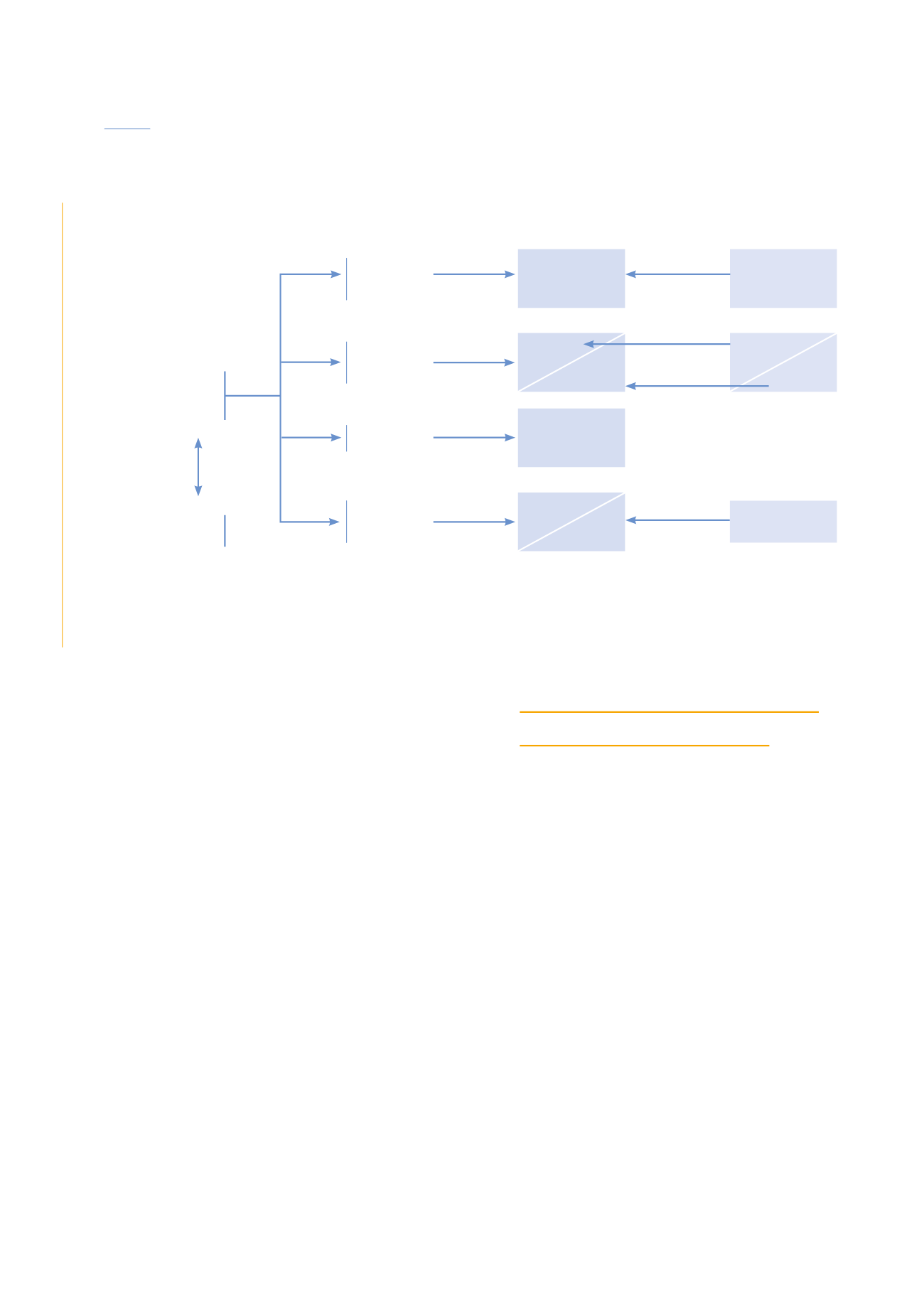
DIAGRAM 2:
The role of ASN in a nuclear emergency situation
COD: Departmental Operations Centre
CIC: French Inter-ministerial Crisis Committee
CICNR: Inter-ministerial Committee for Nuclear or Radiological Emergencies
CLI: Local Information Committee
HCTISN: High Committee for Transparency and Information on Nuclear Security
PC: Command Post
Licensee
Control
Inspections
Prescriptions
Recommendations
for protection of
the general public
Information
of the public
Information
international
assistance
ASN inspector
on site
Media
Stakeholders
(CLI, HCTISN, etc.)
One ASN
representative
Structured and
organised process
CIC -CICNR
Government
COD Prefect
Two ASN
representatives
One ASN
representative
Embassy
AIEA -UE
Othercountries
ASN
(Headquarters)
Commission + technical
PC + Communication PC
IRSN
(Headquarters)
Technical Emergency
Centre (CTC)
174
CHAPTER 05:
RADIOLOGICAL EMERGENCY AND POST-ACCIDENT SITUATIONS
ASN report on the state of nuclear safety and radiation protection in France in 2015