


 327 / 536

Graph1 specifies the number of facilities authorized touse
sealed radioactive sources for the applications identified.
It illustrates the diversity of these applications and their
development over the last five years (from2011 to 2015).
It shouldbe noted that a given facilitymay carry out several
activities, and if it does, it appears in graph 1 and the
following diagrams for each activity.
1.2 Unsealed radioactive sources
The main radionuclides used in the form of unsealed
sources in non-medical applications are phosphorus-32
or 33, carbon-14, sulphur-35, chromium-51, iodine-125
and tritium. They are in particular used in the research
sector and in pharmaceutical establishments. They are a
powerful investigative tool incellular andmolecular biology.
Using radioactive tracers incorporated into molecules is
commonpracticeinbiologicalresearch.Therearealsoseveral
industrial uses, for example as tracers or for calibration or
teaching purposes. Unsealed sources are used as tracers
for measuring wear, searching for leaks or friction spots,
for building hydrodynamic models and in hydrology.
Asat31stDecember2015,thenumberoffacilitiesauthorised
to use unsealed sources stood at 813.
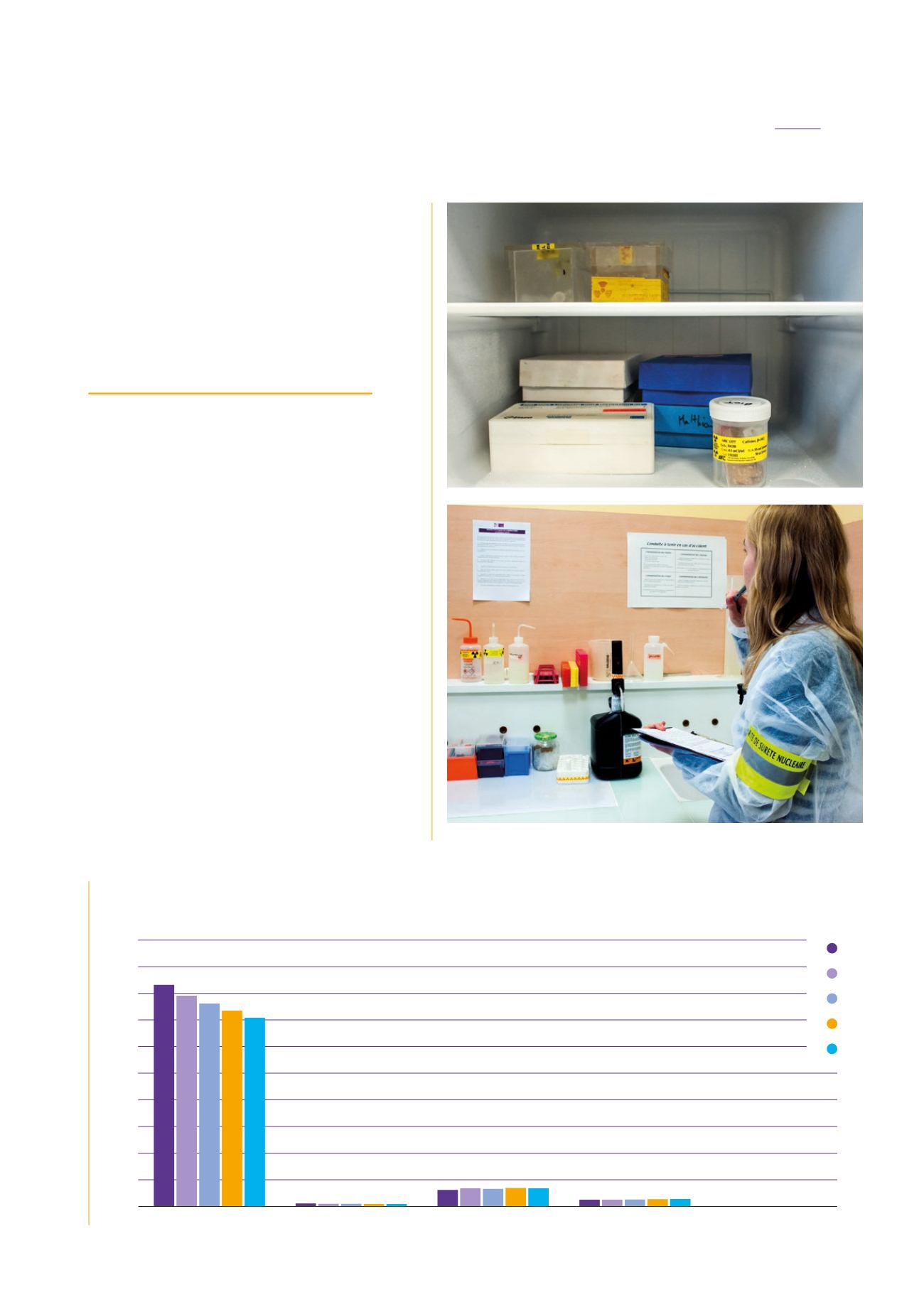
Graph2 specifies the number of facilities authorized touse
unsealed radioactive sources in the applications identified
in the last five years (from 2011 to 2015).
ASN inspection at the University of Bourgogne (unsealed sources), November 2015.
GRAPH 2:
Use of unsealed radioactive sources
0
100
200
300
400
500
600
700
800
900
1,000
Research
Use of tracer
Calibration
Teaching
Number of facilities licensed
2014
2015
2013
2012
2011
327
CHAPTER 10:
INDUSTRIAL, RESEARCH AND VETERINARY USES AND SOURCE SECURITY
ASN report on the state of nuclear safety and radiation protection in France in 2015