


 405 / 536

4.1.4 Evaluation of radiation protection
In 2015, ASN carried out 28 radiation protection
inspections. In 2015, ASN focused particular attention
on compliance with the prescriptions for occupational
radiation protection duringwork in controlled zones and
this was checked in most of the NPPs operated by EDF.
The collective dose on all the reactors fell slightly in
2015 by comparison with 2014 (graph 2). The average
dose received by the workers for one hour of work in a
controlled zone has been falling since 2013. The doses
received by the workers are broken down as shown below
in graphs 1, and 3.
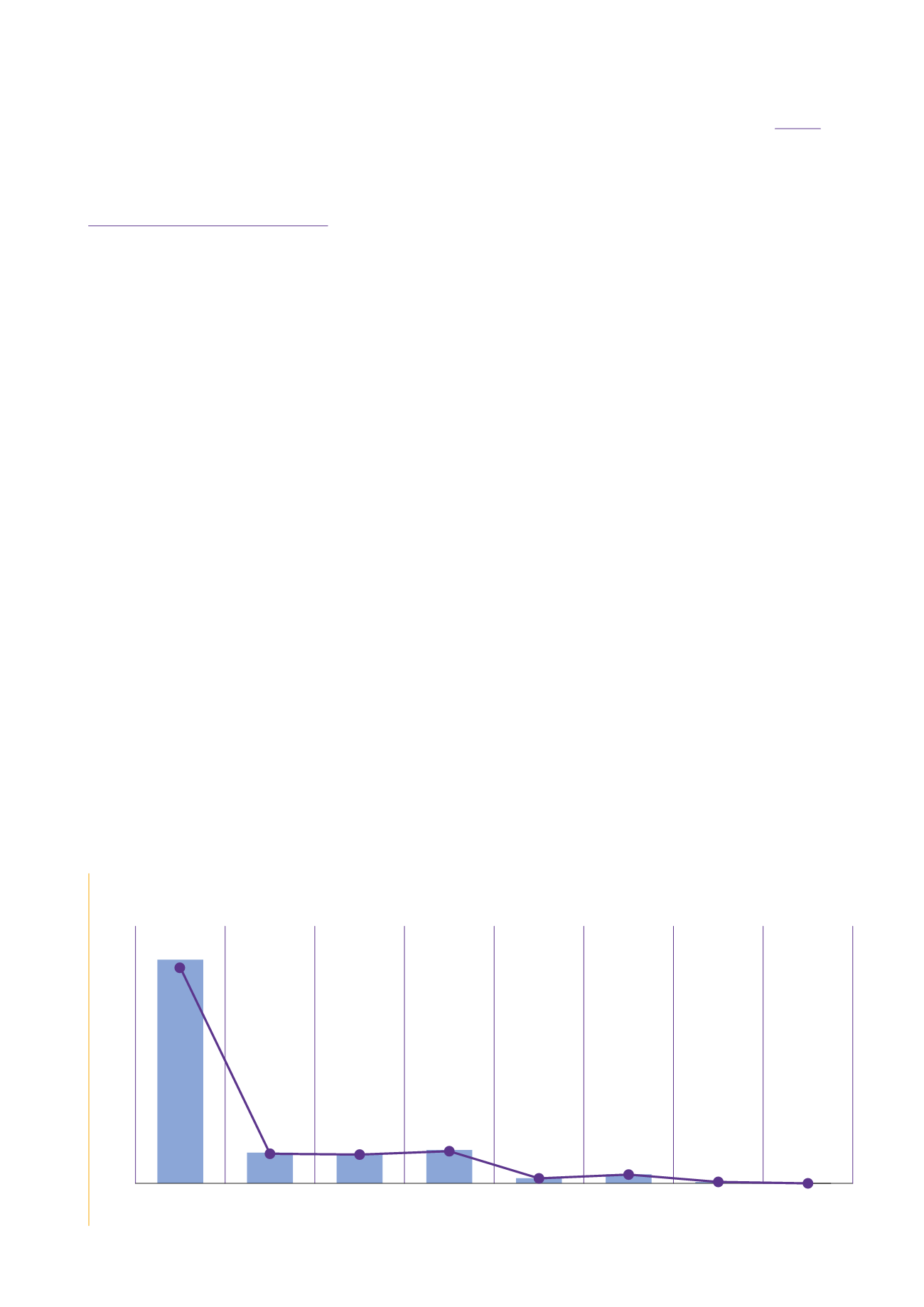
Graph 1 shows the breakdown of the population in terms
of whole body external dosimetry. It can be seen that the
dosimetry for 76% of the exposed workers is less than
1 mSv for the year 2015, which corresponds to the annual
regulation limit for the public. The annual regulation
limit for whole body external dosimetry (20 mSv) was
exceeded on no occasion in 2015
Graph 2 shows the long-term trend in the collective dose
receivedbyNPPworkers. It shows that, following a period
of significant progress indose reduction (1996-2005), the
period2005-2015 shows a stabilisation in thesedoses,with
contrasting results between the sites, and anupward trend
in the volume ofmaintenancework in controlled zones in
recent years, combinedwithcontinuedoptimisationefforts.
Graph 3 shows the trend inwhole body average individual
dosimetry according to the worker categories involved in
reactormaintenance. Themost exposedworker categories
in 2015 are those in charge of installing and removing
heat installation and welders.
ASN considers that the radiation protection situation
of the NPPs in 2015 could be improved on a certain
number of points:
•
The management of industrial radiography worksites
could be improved. ASN in particular observed two
events in which the signs barring entry to operations
areas were ignored. Progress is expected in the
preparation of the worksites, more specifically the
involvement of all stakeholders and the quality of the
installation visits carried out when preparing these
worksites.
•
Management of contamination dispersal inside
the reactor building is still insufficient, owing to
inadequate worksite containment or contamination
level signage errors. ASN repeatedly observed non-
compliance with instructions for contamination
checks on personnel exiting worksites, the lack of
contamination inspection devices or devices that
are unserviceable. In addition, on several sites, the
inspectors found a lack of radiation protection culture
on the part of certain workers.
These inadequacies can contribute to delaying the
detection of bodily contamination of the workers (see
point 3.4.3):
•
With regard to exposure monitoring, ASNhas observed
numerous events relating to the failure of workers
to wear individual dosimeters. Improvements were
however observed in terms of the optimisation of
exposed worker classification and improvements in
remote-dosimetry.
•
EDF has taken steps to reinforce control of personnel
access to limited stay areas, although further
improvements are still required. ASN observes
inadequacies in the identification and signposting
of these areas.
GRAPH 1:
Breakdown of the population per dose range over the year 2015
Source: EDF.
15 à 20
6 à 10
10 à 15
2 à 5
5 à 6
0.5 à 1
1 à 2
0.001 à 0.5
0
5,000
10,000
15,000
20,000
25,000
30,000
35,000
0
10
20
30
40
50
60
70
80
67.10%
30,446
9.21%
8.95%
10.00%
1.55%
2.74%
0.45%
0%
4,179
4,060
4,536
1,244
205
0
701
Number of people
%
405
CHAPTER 12:
EDF NUCLEAR POWER PLANTS (NPPs)
ASN report on the state of nuclear safety and radiation protection in France in 2015